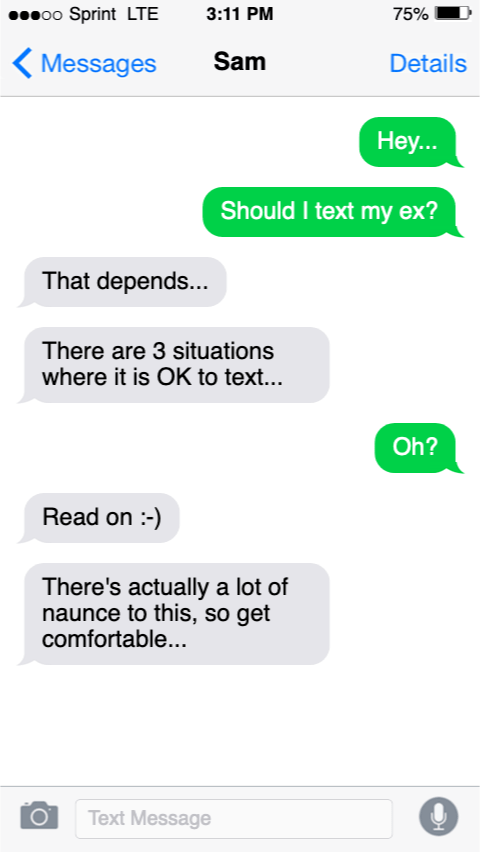
When NOT to Text Your Ex: Recognizing the Signs
The allure of contacting an ex, particularly in the digital age, is undeniable. A fleeting moment of loneliness, a shared memory surfacing unexpectedly, or even a simple curiosity can trigger the urge to reach out. However, reconnecting with a former partner requires careful consideration. This article outlines specific scenarios and circumstances where texting your ex is unequivocally inadvisable, emphasizing the importance of prioritizing personal well-being and emotional health.
Emotional Vulnerability and Impulse Control
One of the most critical times to resist the temptation of texting an ex is when experiencing heightened emotional vulnerability. This vulnerability can manifest in various forms, including but not limited to feelings of loneliness, sadness, anger, or jealousy. These heightened emotions often impair judgment and impulse control, leading to potentially regrettable actions.
The Danger of Reactive Texting
Reactive texting, driven by immediate emotional responses rather than rational thought, is particularly detrimental. For instance, if you've encountered a triggering situation â€" such as seeing your ex with someone new or receiving news related to their current life â€" avoid the impulse to text them immediately. This immediate response often results in messages filled with resentment, accusatory language, or pleas for attention, none of which contribute to healthy communication or personal healing.
Self-Soothing Strategies over Texting
Instead of reaching out to your ex during emotional distress, prioritize self-soothing techniques. Engage in activities that promote emotional regulation, such as exercise, meditation, journaling, or spending time with supportive friends and family. These strategies provide a healthier outlet for processing emotions and avoid the potential for exacerbating an already fragile emotional state.
Situations Indicating a Lack of Respect for Boundaries
Respecting boundaries is paramount in any relationship, even post-separation. If your ex has explicitly communicated a desire for no contact, disregarding this boundary is a significant breach of respect and can lead to further complications.
Ignoring Explicit Requests for No Contact
Ignoring an explicit request for no contact demonstrates a disregard for their wishes and personal space. This action can be interpreted as manipulative, disrespectful, and even harassing, potentially leading to legal repercussions or further emotional distress for your ex. Respecting their request for space is crucial for maintaining a degree of civility and avoiding further negative interactions.
Interpreting Silence as an Invitation
The absence of communication does not automatically equate to an invitation to contact. Silence, especially following a breakup, should not be interpreted as encouragement to reach out. This misinterpretation can lead to unwanted advances and further strain the already fragile dynamic between you and your ex.
When Seeking Closure or Validation
Texting your ex to seek closure or validation is often unproductive and potentially damaging. Closure is an internal process, achieved through self-reflection and personal healing, not through external validation from a former partner.
The Illusion of Closure Through Text
Expecting a text message to provide closure is unrealistic. A brief exchange is unlikely to address complex emotions and unresolved issues effectively. Furthermore, expecting your ex to provide the closure you need places an undue burden on them and may elicit a response that is unhelpful or even hurtful.
Focusing on Internal Healing
Instead of seeking closure through external validation, focus on internal healing. This involves processing your emotions, understanding your role in the relationship's dynamics, and developing coping mechanisms to move forward. Therapy, journaling, and self-reflection can be instrumental in achieving genuine closure.
Situations Involving Alcohol or Substance Use
Contacting your ex while under the influence of alcohol or other substances is strongly discouraged. Impaired judgment significantly increases the likelihood of sending impulsive, regrettable messages that can damage any potential for future positive interaction.
The Risks of Impaired Judgment
Alcohol and other substances impair judgment, leading to decreased impulse control and an increased likelihood of sending inappropriate, emotionally charged messages. These messages, often sent in a state of intoxication, can be deeply hurtful and difficult to retract, causing significant harm to your ex and further complicating any future potential interaction.
Prioritizing Responsible Behavior
If you are struggling with alcohol or substance abuse, seeking professional help is crucial. Addressing these issues is essential for both your well-being and your ability to maintain healthy relationships.
Situations Where Professional Guidance is Needed
In situations involving obsessive thoughts about your ex, stalking behaviors, or significant difficulty moving on from the relationship, seeking professional help is paramount. These behaviors may indicate underlying mental health concerns requiring intervention from a qualified therapist or counselor.
Recognizing Unhealthy Attachment Styles
Persistent attempts to contact your ex despite clear indications of unwanted communication may indicate an unhealthy attachment style. These patterns often require professional intervention to address underlying emotional issues and develop healthier relationship patterns.
Seeking Professional Support
A therapist can provide a safe and supportive environment to explore these patterns, develop healthy coping strategies, and build more fulfilling relationships in the future. Don't hesitate to seek professional help if you are struggling to manage your feelings or behaviors related to your ex.
In conclusion, while the desire to reconnect with an ex can be powerful, it's crucial to exercise caution and self-awareness. By recognizing the situations outlined above, you can make informed decisions that prioritize your emotional well-being and respect the boundaries of your former partner. Remember, healing and moving forward often require prioritizing your own emotional health above the urge to reach out.
0 comments:
Post a Comment
Note: Only a member of this blog may post a comment.