Does the No Contact Rule Work on Everyone? Here's When It Does and Doesn't
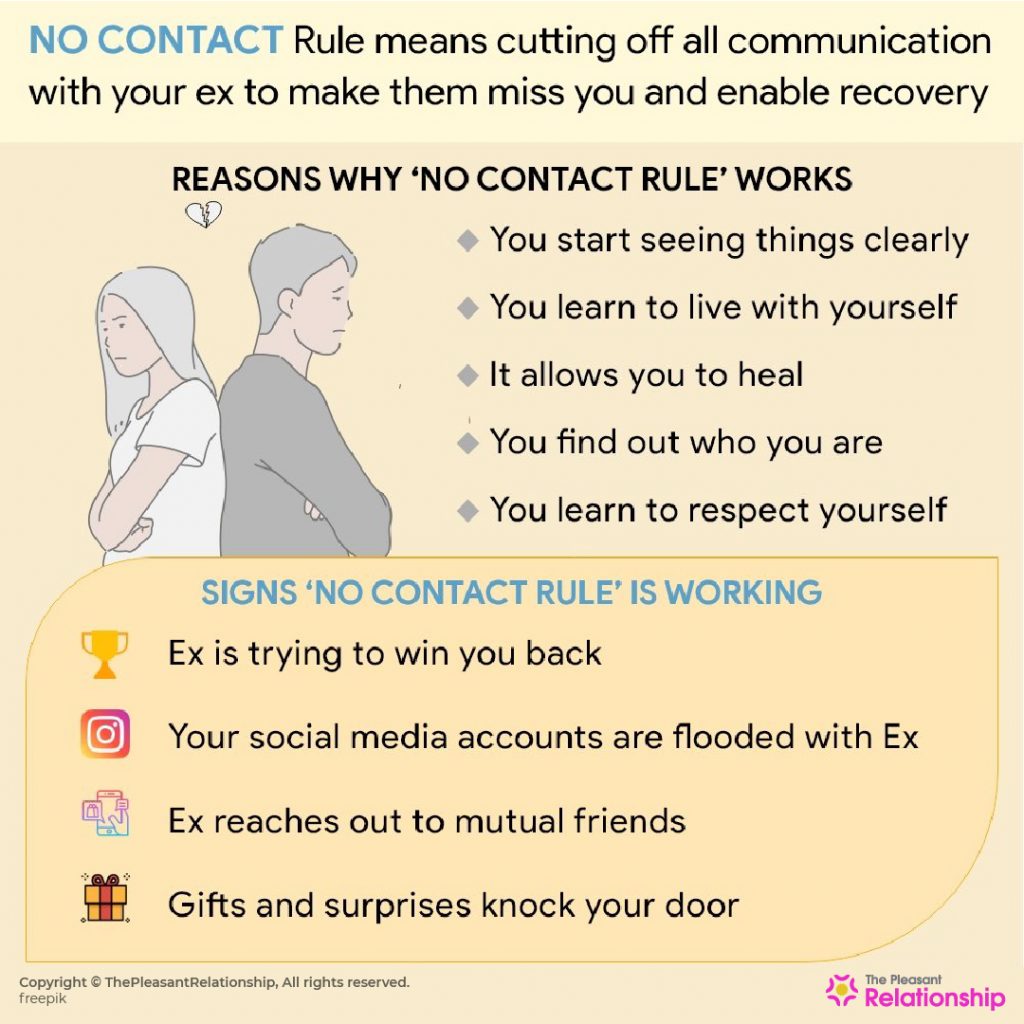
The No Contact Rule (NCR) has become a popular strategy for dealing with breakups and navigating the emotional rollercoaster that comes with them. It involves cutting off all communication with your ex, including phone calls, texts, emails, social media interactions, and even mutual friends. While many claim it works wonders in getting your ex back or achieving closure, the reality is more nuanced. The effectiveness of the No Contact Rule depends heavily on the situation and the individuals involved.
When the No Contact Rule Can Work
The No Contact Rule can be beneficial in several scenarios:
1. To Give You Time to Heal and Reflect
Breaking up with someone is painful, and the NCR provides a crucial space to grieve the loss and process your emotions. By cutting off contact, you prevent yourself from being bombarded with reminders of your ex and allow your emotions to stabilize.
2. To Show Your Ex You're Not Desperate
Constant communication and pleading for your ex to come back can be perceived as desperate and unattractive. The No Contact Rule demonstrates that you're moving on and focusing on yourself, which can pique your ex's curiosity and potentially spark their interest.
3. To Give Your Ex Space to Miss You
Absence can make the heart grow fonder. By disappearing from your ex's life, you give them a chance to miss your presence and appreciate your value. This can be particularly effective if the breakup was relatively recent and there are still feelings involved.
4. To Allow for Clarity and Perspective
The emotional fog of a breakup can cloud your judgment. The No Contact Rule creates a space for you to gain clarity and see the relationship from a more objective perspective. It allows you to assess if you truly want to get back together or if it's time to move on.
When the No Contact Rule Might Not Work
While the No Contact Rule can be beneficial in some situations, it's not a guaranteed solution and can even backfire in others. Here's why it might not be effective:
1. If the Breakup Was Caused by Serious Issues
If the breakup stemmed from fundamental incompatibility, trust issues, or abusive behavior, the No Contact Rule won't magically fix the underlying problems. Simply avoiding contact won't address the root causes and may even prevent you from seeking professional help to work through the issues.
2. If Your Ex Isn't Interested in Reconciling
The No Contact Rule works best when your ex still holds feelings for you. If they've moved on or are actively pursuing someone else, the NCR is unlikely to change their mind. It's important to respect their boundaries and accept their decision.
3. If It's Used to Avoid Communication or Accountability
Using the No Contact Rule as a way to avoid addressing important issues or taking responsibility for your actions can be counterproductive. It can create resentment and prevent any chance of healing or reconciliation.
4. If It's Used to Manipulate Your Ex
The No Contact Rule is not a game of manipulation. If your goal is to punish your ex or make them jealous, it's likely to backfire and further damage the relationship.
Alternative Approaches
If the No Contact Rule doesn't seem like the right approach for your situation, consider exploring alternative strategies:
- Communicate respectfully and honestly with your ex about your needs and feelings.
- Seek professional therapy or counseling to work through your emotions and gain a healthier perspective.
- Focus on self-care and personal growth to develop a stronger sense of self and independence.
- Surround yourself with supportive friends and family who can offer encouragement and guidance.
Remember, the key to navigating a breakup is to prioritize your well-being and choose strategies that promote healing and growth. The No Contact Rule can be a valuable tool in some cases, but it's not a one-size-fits-all solution. Ultimately, the best approach will depend on your individual circumstances and the relationship dynamics.
0 comments:
Post a Comment
Note: Only a member of this blog may post a comment.